
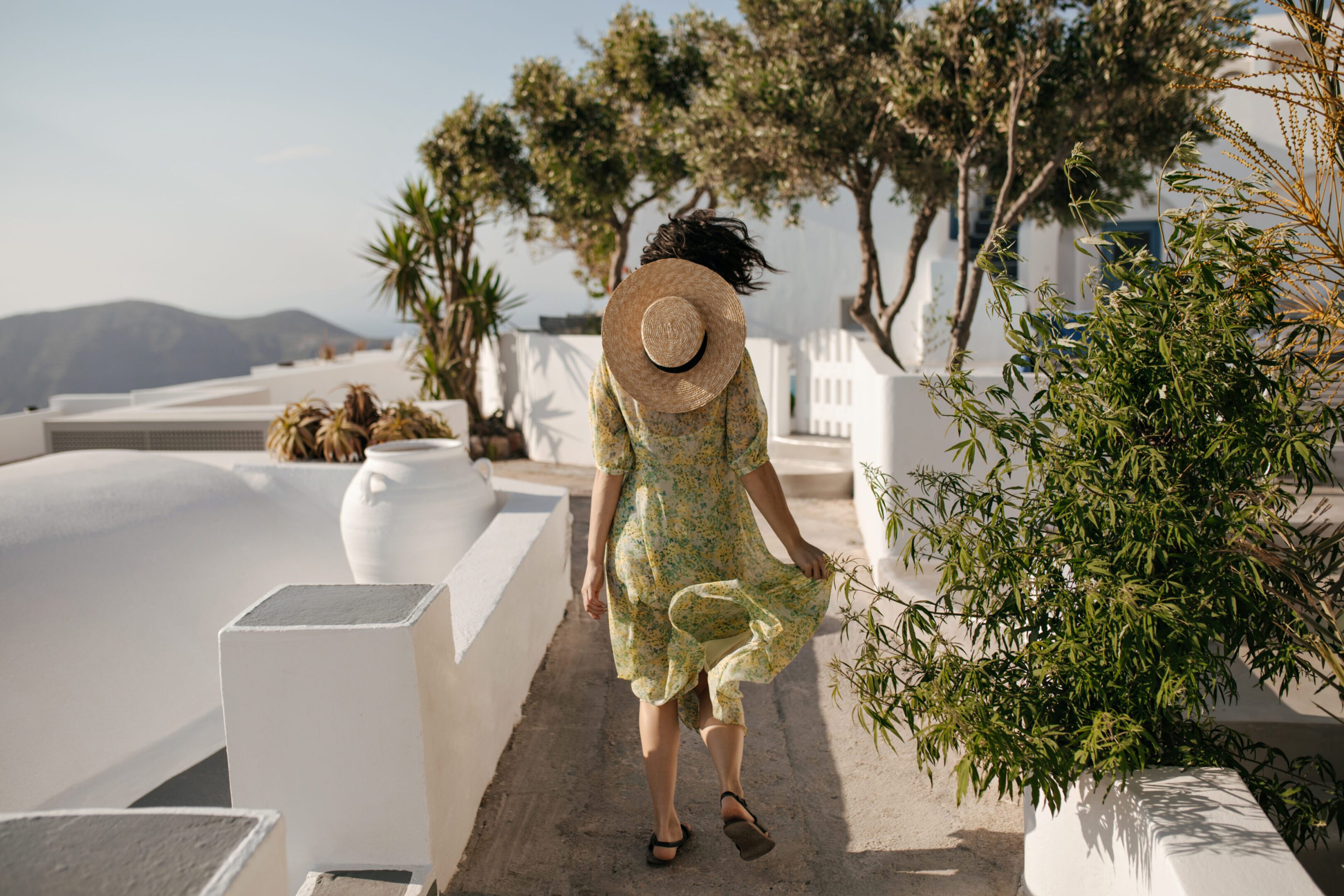
Women Of The Hidden Islands
Stories of resilience, artistry, and quiet inheritance across the Aegean.
Across the quieter edges of the Aegean and the eastern Mediterranean, there are islands that move at their own pace. They do not call loudly. They breathe, they endure, and they reveal their soul through the women who shape them.
Their work and their presence remind us that culture is sustained not by grand gestures but by small acts of care
On Folegandros, mornings begin with the sound of footsteps on stone. Women sweep terraces before the sun rises high. Their houses are small but filled with colour, clay bowls, woven mats, the scent of citrus. In these gestures lies a kind of order, a grace that turns daily routine into quiet ritual.
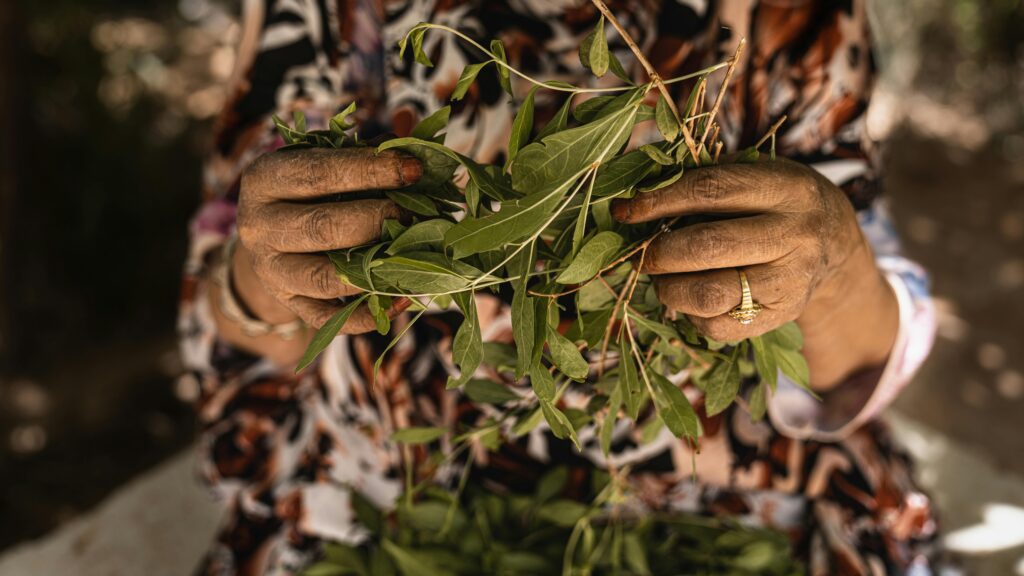
Further north, on Amorgos, women tend gardens perched above the sea. They grow thyme, capers, and figs in narrow terraces, their work guided by memory more than method. At dusk, they gather at the monastery steps, speaking softly of weather, harvest, and time. What they create is not merely sustenance but continuity.
In Kastellorizo, life has always balanced on the horizon. The women here once waited for sailors to return, their stories stitched into embroidered cloths now kept as heirlooms. Today, a new generation has returned, artists, photographers, and designers who build on the island’s layered history. They restore old houses, open small ateliers, and bring global attention to what has always been quietly extraordinary.
On Lipsi, an island of olive groves and blue coves, women lead the movement toward sustainable tourism. They run family guesthouses where meals are cooked from the land, not imported for convenience. They tell stories to visitors about their grandmothers who never left the island, about summers when the ferry came only twice a week. These stories are their heritage as much as any church or ruin.
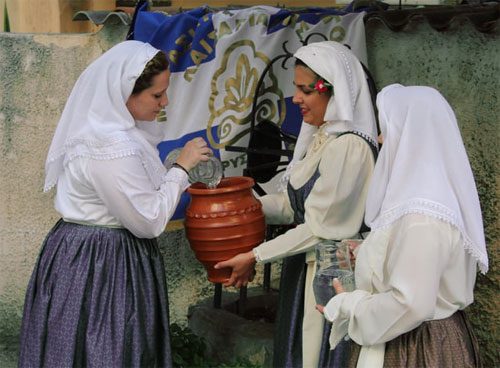
And then there is Symi, an island of neoclassical houses and steep paths. In its courtyards, women paint, weave, and bake with the patience of those who understand the rhythm of stone and salt air. Their art is not made for galleries. It is made for life, useful, enduring, and beautiful without announcement.
Across these lesser-known islands, women carry the same quiet certainty that has always defined this sea. They preserve customs, restore homes, and create beauty that feels effortless. Their work and their presence remind us that culture is not sustained by grand gestures but by small acts of care, repeated until they become eternal.
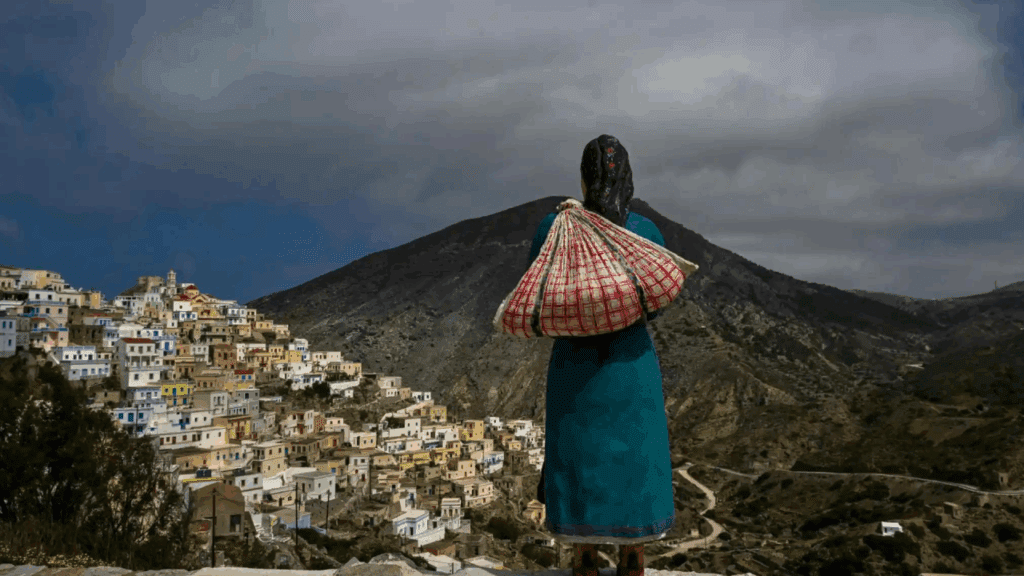
To travel here is to see the Mediterranean not as a destination but as a living inheritance, kept, nurtured, and passed on through the hands of its women.